

 See My Latest Article on HelloNation

Caregiving can become overwhelming gradually, especially when one person is managing medications, meals, transportation, personal care, appointments, household tasks, and emotional support. In Keene, NH, family caregivers may also be balancing work, winter travel conditions, older housing, or long distances between households.
Burnout is not a sign of failure or lack of love. It is a signal that the demands of caregiving have exceeded the support, rest, and resources available to the caregiver.
What does caregiver burnout look like?
Caregiver burnout is a state of ongoing physical, emotional, and mental exhaustion. It often develops after months or years of stress, but it can also appear quickly after a fall, diagnosis, hospitalization, or sudden change in a loved one’s abilities.
Common signs include:
- Feeling exhausted even after sleeping
- Becoming unusually impatient, angry, or resentful
- Feeling trapped, helpless, anxious, or constantly worried
- Losing interest in hobbies, friendships, or ordinary routines
- Sleeping too much, sleeping too little, or waking frequently
- Experiencing headaches, back pain, stomach problems, or frequent illness
- Skipping meals, exercise, bathing, medications, or medical appointments
- Using alcohol, cannabis, prescription medicine, or other substances to cope
- Feeling guilty when taking time away from the person receiving care
- Having trouble concentrating or making simple decisions
Some caregivers do not recognize burnout because they are focused on the other person’s needs. A practical warning sign is a noticeable change from the caregiver’s usual behavior. Someone who was once patient may become irritable. Someone who stayed organized may begin missing appointments or losing track of medications.
How is burnout different from ordinary caregiver stress?
Short-term stress may improve after a good night’s sleep, a conversation, or a few hours away from caregiving. Burnout tends to persist and affect several areas of life at once.
A caregiver may still be completing essential tasks but feel emotionally detached, constantly tense, or unable to recover. Burnout can also affect the quality and safety of care. Fatigue may contribute to missed doses, unsafe transfers, driving mistakes, or difficulty responding calmly to confusion or behavioral changes.
Feeling frustrated does not automatically mean a caregiver is neglectful or abusive. However, repeated shouting, threats, rough handling, withholding food or medication, or leaving someone in an unsafe situation requires immediate attention and additional support.
Why are caregivers in danger of burnout?
Caregiving becomes especially demanding when needs are unpredictable or when the caregiver has little control over the schedule. Dementia, mobility problems, incontinence, chronic pain, and nighttime wandering can interrupt sleep and make ordinary routines difficult.
Other factors may include:
- Providing care alone without dependable backup
- Managing work, children, or financial responsibilities at the same time
- Living in separate households and spending substantial time driving
- Feeling responsible for every decision
- Having limited training in lifting, bathing, medication management, or dementia care
- Difficulty communicating with siblings or other relatives
- Grief over changes in the relationship
- Unsafe home conditions, clutter, stairs, poor lighting, or winter ice
- Resistance from the person receiving care
Seasonal conditions can add strain for area households. Snow, ice, shorter daylight hours, and heating concerns may make transportation, errands, and outdoor mobility more difficult. A caregiver who is already tired may take on additional planning during storms or cold weather.
What should a caregiver do at the first warning signs?
The first step is to treat the warning signs as useful information rather than something to hide. Write down what has changed, including sleep, mood, physical symptoms, missed responsibilities, and the tasks that feel hardest.
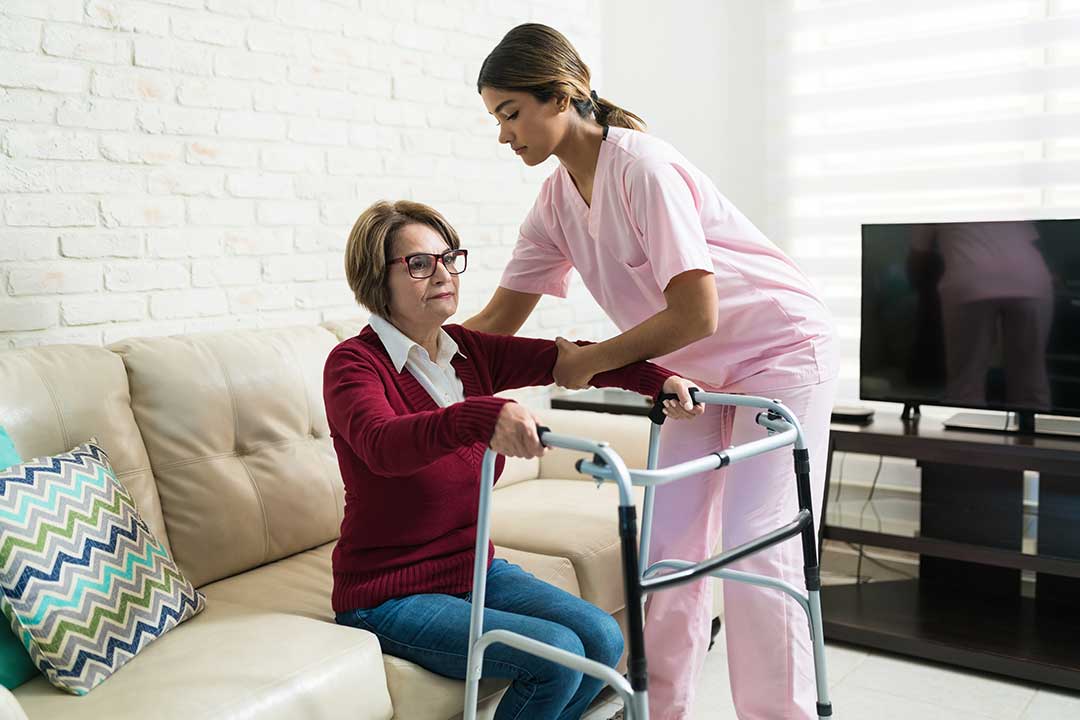
Then identify one specific need. “I need help” can be difficult for others to act on, while a direct request is easier to understand:
- “Can you stay with Dad from 2 to 5 on Saturday?”
- “Can you take responsibility for grocery shopping each week?”
- “Can you drive to the next appointment?”
- “Can you call the pharmacy and organize the refill?”
- “Can you check in by phone every evening?”
A written schedule can make shared caregiving more realistic. List recurring tasks, the time each task requires, and who is responsible. Include backup plans for illness, bad weather, or an emergency.
What kinds of help are available?
Support does not have to mean moving a loved one out of the home. Several forms of assistance may reduce the pressure.
Respite care provides temporary relief, ranging from a few hours to several days. Depending on the situation, it may occur in the home, through an adult day program, or in a short-term facility setting.
Home-based assistance may help with personal care, meals, light household tasks, mobility, or supervision. The exact services and payment options depend on eligibility, medical needs, insurance, and the type of program.
Training and education can help caregivers learn safer approaches to transfers, bathing, medication routines, dementia-related behaviors, fall prevention, and emergency planning.
Support groups and counseling can reduce isolation and help caregivers manage grief, anger, guilt, and family conflict. A primary care clinician should know that the patient is also a caregiver, because burnout may involve depression, anxiety, sleep disorders, high blood pressure, or other health concerns.
In New Hampshire, ServiceLink can help eligible caregivers learn about local support options, respite services, long-term care programs, and assistance with forms. New Hampshire’s 211 system can also help residents identify community resources and crisis support.
How can family members help a burned-out caregiver?
Offers of general help are often appreciated but may not lead to action. Specific, dependable assistance is more useful. Relatives and friends can take over recurring tasks, provide transportation, prepare meals, handle paperwork, or stay with the person receiving care while the primary caregiver rests.
If family members live far away, they can still help by arranging deliveries, managing bills, scheduling appointments, making regular calls, or visiting on a predictable schedule. The most helpful question is often, “Which task is causing the most pressure this week?”
The primary caregiver may initially refuse help because of guilt, privacy concerns, or fear that others will not provide care correctly. A respectful offer can be repeated without criticism. Regular, reliable help is usually more valuable than a single large gesture.
When is urgent help needed?
Immediate assistance is needed if a caregiver is thinking about suicide, harming someone else, or cannot safely continue providing care. In the United States, calling or texting 988 connects people with the Suicide and Crisis Lifeline. Call 911 for an immediate medical or physical safety emergency.
Urgent support is also appropriate when there is suspected abuse, serious medication errors, wandering, unsafe driving, repeated falls, inability to provide food or hygiene, or a home environment that has become hazardous.
Burnout should be addressed before a crisis develops. Rest, shared responsibilities, respite, medical attention, and practical training are not indulgences. They are safeguards that help protect both the caregiver and the person depending on that care.