

 See My Latest Article on HelloNation
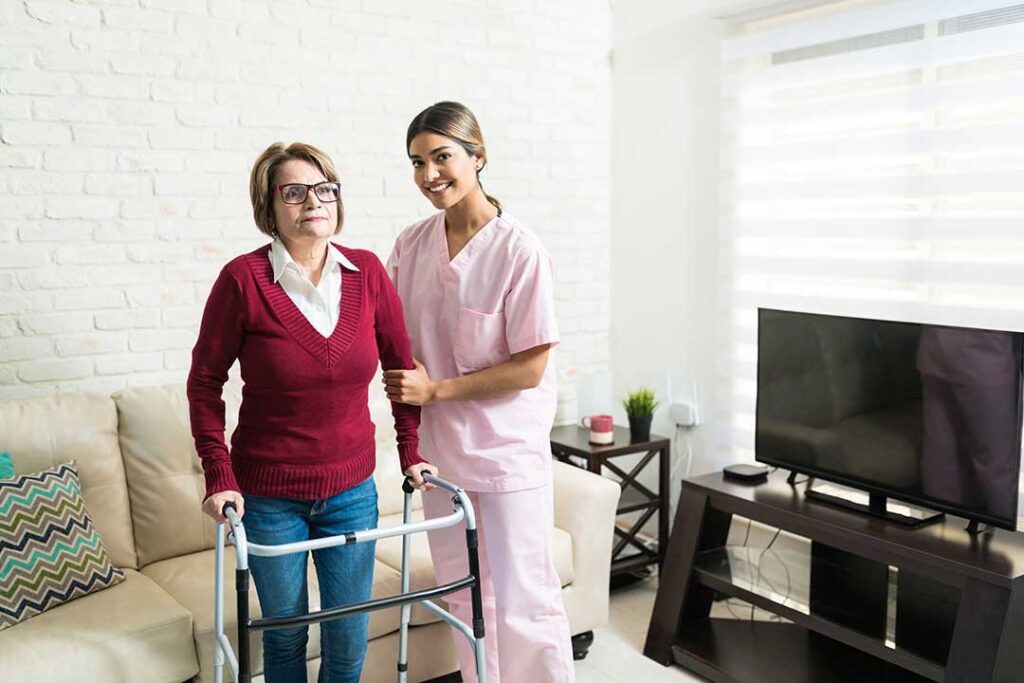
A home accessibility assessment looks at how safely and comfortably a person can enter, move through, use, and leave the home. It is useful before a health change, after an injury, during recovery, or when an older adult wants to remain at home longer.
The goal is not to make every room look institutional. The goal is to identify barriers that increase the risk of falls, limit independence, or make routine activities unnecessarily difficult.
What should a home accessibility assessment examine first?
Begin with the person’s actual daily routine, not with a checklist of equipment. Accessibility needs differ for someone who uses a walker, someone with limited vision, someone who becomes unsteady when standing, and someone who needs help with bathing or transfers.
Walk through the home while considering:
- How the person enters and exits
- Where they sit, sleep, bathe, dress, prepare food, and take medications
- Whether they can reach needed items without climbing or stretching
- Where they may lose balance, become fatigued, or need assistance
- What would happen during a power outage, emergency, or sudden illness
A useful assessment follows the path of an ordinary day. Watch for repeated obstacles rather than focusing only on major construction issues.
Is the entrance safe and usable?
The main entrance should provide a stable, well-lit path with enough room to approach the door, unlock it, and step inside without twisting or balancing on an uneven surface.
Check for:
- Cracked walkways, loose steps, or uneven thresholds
- Handrails on stairs and secure surfaces underfoot
- Door hardware that can be operated without tight gripping or excessive force
- Adequate lighting at the walkway, porch, and doorway
- A place to pause, sit, or set down packages
- Clear space for a walker, wheelchair, or caregiver to approach the door
Seasonal conditions deserve special attention in Keene. Snow, freezing rain, wet leaves, and refreezing near steps can change a safe entrance into a hazardous one. Outdoor lighting should be checked during dark winter mornings and evenings, not only in daylight.
A small threshold may still be difficult for someone using a walker or lifting their feet only slightly. Do not assume a barrier is harmless because it appears minor.
How can hallways and rooms be evaluated?
Movement areas should be wide enough for the person and any mobility aid they use. Furniture should not force sharp turns or require a person to walk sideways.
Look for:
- Narrow routes between furniture
- Throw rugs or mats that slide, curl, or catch walker legs
- Electrical cords across walking paths
- Clutter near stairs, bathrooms, and frequently used chairs
- Poor lighting or strong glare
- Furniture that is difficult to rise from
- Doors that are hard to open or close
A simple test is to walk through the home while carrying nothing, then repeat the route with the person’s walker, cane, or other aid. If the route works only when furniture is moved temporarily, the arrangement may not be reliable for everyday use.
Contrast can also help. A dark chair against a dark floor may be difficult to see for someone with low vision. Clear visual differences between floors, walls, steps, and doorways can make navigation easier.
What makes a bathroom accessible?
Bathrooms deserve careful attention because water, hard surfaces, tight spaces, and transfers often occur together. A person may be steady while walking but unsafe when stepping into a tub or standing from a low toilet.
Review:
- The route to the bathroom, especially at night
- Whether the door can be opened without blocking help from outside
- The height and stability of the toilet
- Whether there is a secure place to hold while sitting or standing
- Tub or shower entry height
- Slippery flooring and loose bath mats
- Water temperature controls and reachability
- Lighting, ventilation, and visibility of wet areas
Towel bars and sliding shower doors are not reliable substitutes for properly installed support equipment. Grab bars must be attached to suitable structural support and positioned for the person’s actual transfer pattern. Improvised supports can pull loose and cause a serious fall.
A shower chair may help some people, but it also requires enough room to enter, position the chair, and move safely. Equipment that crowds the bathroom can create a new hazard.
How should the kitchen be checked?
An accessible kitchen reduces reaching, bending, carrying, and standing time. The most frequently used items should be stored between about waist and shoulder level whenever possible.
Look for:
- Heavy dishes stored above shoulder height
- Pots and appliances that require bending or stretching
- Frequently used items placed far from the main work area
- Slippery flooring or poor lighting near counters
- Controls that are difficult to read or operate
- A lack of stable seating for brief rests
- Walkways blocked when cabinet or appliance doors are open

Keep commonly used foods, medications, cups, and cooking tools in predictable locations. A person with memory or vision changes may benefit from simple labels, strong contrast, and fewer items on the counters.
Carrying hot food across a room can be risky for someone using a cane or walker. Reorganizing the kitchen so preparation occurs near the sink, refrigerator, and seating area may reduce that risk.
Are bedrooms and nighttime routes safe?
Many falls occur during nighttime trips to the bathroom. The route should be visible, uncluttered, and easy to follow without relying on a handheld flashlight.
Assess:
- Bed height and firmness
- Whether the person can sit on the bed before standing
- A stable surface nearby for balance
- Lighting controls that can be reached from bed
- Clear paths to the bathroom and exit
- Shoes, clothing, and cords left on the floor
- The location of oxygen tubing, mobility aids, or other equipment
Motion-activated lighting may help, but it should not create sudden glare or shadows. Night-lights are most useful when they illuminate the walking surface rather than shining directly into the eyes.
What about stairs and emergency exits?
Stairs should have secure handrails, consistent step heights, good lighting, and contrasting edges when visual recognition is difficult. Do not store objects on steps or landings.
If a person can no longer use the stairs safely, determine whether essential activities can be moved to one level. A temporary sleeping area may help during recovery, but it should not block an exit or create cramped routes for caregivers.
Every household should consider how the person would leave during a fire, medical emergency, or utility failure. Keep exits clear, make sure smoke alarms can be heard or seen, and consider whether the person can respond to an alarm independently.
Which changes can be made immediately?
Many improvements do not require construction:
- Remove loose rugs and unnecessary furniture
- Improve lighting near steps and bathrooms
- Place frequently used items within easy reach
- Add nonslip surfaces where appropriate
- Secure or reroute cords
- Use chairs with firm seats and armrests
- Keep mobility aids within reach before standing
- Mark confusing doors, steps, or controls with high-contrast materials
- Arrange a clear route from the bedroom to the bathroom
Changes involving electrical work, structural alterations, plumbing, stair modifications, or permanent ramps may require permits or inspection. In Keene, building and accessibility requirements apply to regulated construction and renovation work, so the project should be checked before work begins.
How often should accessibility be reassessed?
Reassess the home after a fall, hospitalization, new diagnosis, medication change, or noticeable decline in strength, balance, vision, or memory. A home that worked well six months ago may no longer match the person’s abilities.
It is also helpful to review the home before winter weather, after moving furniture, or when adding medical equipment. The safest arrangement is the one that supports the person’s current abilities while allowing room for likely changes.
What is the most common assessment mistake?
The most common mistake is focusing only on obvious hazards such as stairs and ignoring ordinary activities. Difficulty opening a heavy door, standing from a soft sofa, reaching a phone, or carrying laundry can create repeated safety problems.
A practical assessment asks whether the person can complete each important task safely, consistently, and without excessive fatigue. If the answer is no, the task or the environment needs to change.