

 See My Latest Article on HelloNation
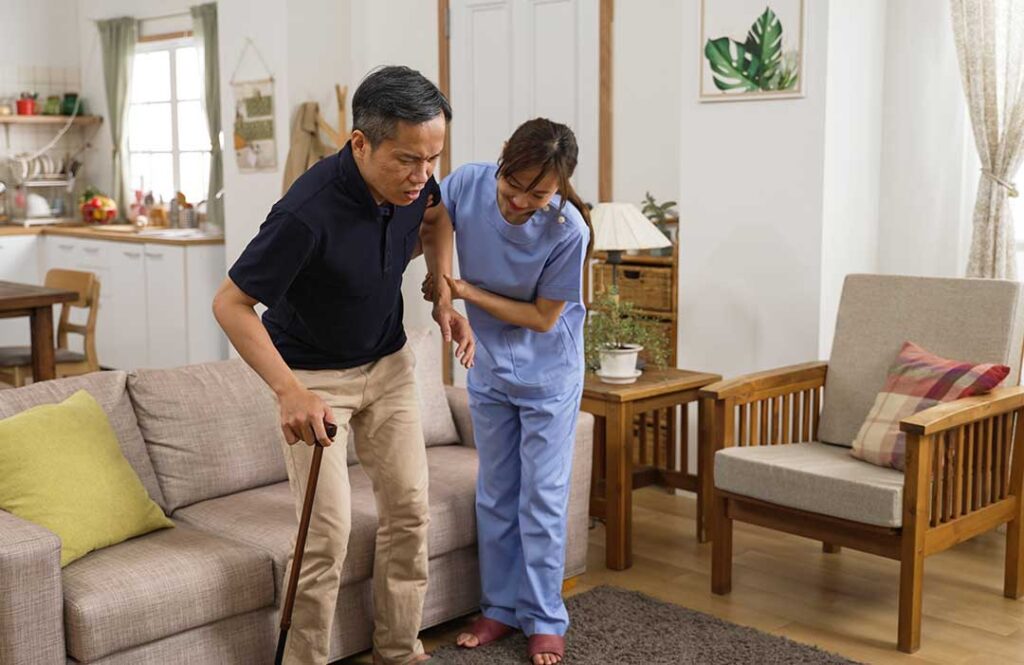
A safe home for an older adult should support steady movement, clear visibility, medication routines, emergency planning, and independence. In Keene, NH, safety planning also needs to account for winter conditions, older housing features, uneven outdoor surfaces, and the practical realities of living alone or managing care at home.
What are the most common safety risks for seniors at home?
Falls are among the most serious household risks for older adults. They can happen on stairs, near entryways, in bathrooms, or while reaching for items stored too high. Medication mistakes, kitchen accidents, burns, poor lighting, and delayed responses to emergencies are also common concerns.
A useful safety review considers how the person actually moves through the home. Observe where they hold onto furniture, avoid certain rooms, rush, or become tired. A home that appears orderly may still be difficult to navigate for someone with reduced balance, vision changes, arthritis, weakness, or memory loss.
Common warning signs include:
- Throw rugs that slide or curl at the edges
- Electrical cords crossing walkways
- Clutter near beds, chairs, or stairways
- Poor lighting between the bedroom and bathroom
- Frequently used items stored above shoulder height
- Slippery floors or loose carpeting
- Chairs that are too low or difficult to rise from
- Lack of secure handholds near steps or bathing areas
How can falls be prevented in bedrooms and living areas?
Clear walking paths and good lighting are the foundation of fall prevention. Keep routes between the bedroom, bathroom, kitchen, and main sitting area open at all times. Furniture should leave enough room for a walker, cane, or another person to pass safely.
Nighttime movement deserves special attention. A lamp or light switch should be easy to reach from the bed. Motion-activated lighting can help illuminate the path to the bathroom without requiring a person to walk in darkness. Shoes or slippers should fit securely and have nonslip soles; loose footwear and walking in socks can increase risk.
Furniture should be stable and suited to the person’s strength. A firm chair with arms is usually safer than a low, soft chair that is difficult to leave. Avoid using rolling tables or unstable furniture as makeshift support.
For homes with stairs, keep steps free of objects and use bright, even lighting at both the top and bottom. Handrails should be secure and extend along the usable length of the stairs. Contrasting tape on stair edges may help people with limited vision identify each step.
What changes make the bathroom safer?
Bathrooms require special attention because water, smooth surfaces, tight spaces, and changes in position can combine to create a fall. A person may be most vulnerable while entering a tub, standing from a toilet, or turning on a wet floor.
Practical changes include:
- Installing securely mounted grab bars near the toilet and bathing area
- Using a properly fitted shower chair when standing is tiring or unsteady
- Adding a handheld showerhead when appropriate
- Placing nonslip flooring or a secure bath mat outside the bathing area
- Keeping soap, towels, and toiletries within easy reach
- Adjusting water-heater settings to reduce the risk of scalding
- Improving lighting without creating glare
A towel bar is not a substitute for a grab bar. Grab bars need to be anchored correctly to support a person’s weight. If the wall structure or plumbing layout is uncertain, installation may require someone qualified to assess the area.

The bathroom door should not create a trapped-person hazard. If privacy allows, a door that opens outward or can be unlocked from outside during an emergency may be safer than one that opens inward into a small space.
How should the kitchen be organized for an older adult?
The safest kitchen setup reduces bending, climbing, reaching, and rushing. Frequently used dishes, food, and cooking tools should be stored between waist and shoulder height. Step stools can be hazardous for someone with balance problems and should not be used without careful consideration.
Stovetop safety is especially important for people experiencing memory changes. Helpful measures may include using a timer, choosing appliances with automatic shutoff features, turning pot handles inward, and avoiding loose sleeves near burners. Microwave meals and prepared foods should be arranged so they can be handled without lifting heavy containers.
Keep floors dry and clean spills promptly. Store sharp objects securely, and use lightweight cookware if heavy pans are difficult to lift. A person who becomes fatigued while standing may benefit from a stable chair positioned away from hot surfaces and traffic paths.
Food safety also matters. Check refrigerator temperatures, discard expired food, and label leftovers with dates. Memory loss can make it difficult to remember when food was prepared or whether a meal has already been eaten.
What should households do about medications and emergencies?
Medication routines should be simple, visible, and consistent. Keep medicines in a designated location away from moisture and heat, while following storage instructions for each medication. A written medication list should include names, doses, schedules, allergies, and prescribing information. It should be updated when anything changes.
Pill organizers can help some people, but they are not appropriate for every medication or every memory condition. Missed doses, repeated doses, unexplained sleepiness, confusion, or frequent medication questions may indicate that the routine needs additional oversight.
Every household should have an emergency plan that is easy to follow. Keep a charged phone within reach in the bedroom, bathroom, and main living area when possible. Post key information in a visible place, including emergency contacts, medical conditions, allergies, and the location of important documents.
If a fall occurs, do not rush to pull the person up. Check for severe pain, bleeding, head injury, breathing problems, or inability to move. Emergency assistance may be needed, especially after a head impact, loss of consciousness, severe pain, or a suspected fracture.
How do winter conditions affect home safety in Keene, NH?
Cold weather increases risks around entrances, walkways, heating systems, and power interruptions. Snow and ice should be cleared from the route most often used to enter and leave the home. Outdoor steps need sturdy handrails, adequate lighting, and surfaces that remain as level and slip-resistant as possible.
Keep coats, boots, and mobility equipment from blocking indoor entryways. Wet footwear can create slippery floors, so use a stable place for removing boots and drying clothing. Walkers and canes should be checked after exposure to moisture, salt, or packed snow.
Heating safety is also essential during cold months. Keep portable heaters away from bedding, curtains, furniture, and walking paths. Never use an oven or stovetop as a home-heating method. Smoke and carbon monoxide alarms should be tested regularly, with replacement batteries available when needed.
Older adults may not recognize cold stress quickly, particularly if they have circulation problems, reduced sensation, or memory impairment. Indoor temperatures should be monitored during extended cold weather, especially when a person lives alone.
How can caregivers protect independence without creating unnecessary restrictions?
Safety planning works best when it supports abilities rather than removing every challenge. Ask what the person wants to continue doing, then adjust the environment around those activities. For example, a person may be able to prepare breakfast safely if heavy cookware is moved, lighting is improved, and a timer is used.
Review the home after changes in health, medication, mobility, or vision. A setup that worked six months ago may no longer be adequate. Watch for new fatigue, repeated near-falls, confusion about familiar tasks, or reluctance to use certain rooms.
Home health care may include observation of daily routines, assistance with personal care, mobility support, and communication about safety concerns. Family members and caregivers can use these observations to identify patterns before a serious injury occurs. The goal is a home that allows the older adult to move, rest, eat, bathe, and respond to daily needs with as much confidence and control as possible.