
 See My Latest Article on HelloNation

Home health care is often discussed as though it means the same thing for every household. In practice, it can involve several different types of support, from skilled medical care ordered by a clinician to short-term assistance after an illness or procedure.
For residents in Keene, NH, understanding what home health care does—and does not do—can make it easier to plan for recovery, aging, chronic illness, or changing household needs.
Myth: Home health care is only for older adults
Home health care is not limited to seniors. People of many ages may receive care at home after surgery, hospitalization, injury, childbirth, or a serious illness.
A person recovering from a joint replacement may need nursing visits or physical therapy. Someone managing diabetes, a neurological condition, or a respiratory illness may need skilled monitoring and education. Children and younger adults may also receive home-based services when ordered and appropriate.
Age alone does not determine eligibility. The main considerations are the person’s medical needs, ability to leave home safely, care plan, and coverage requirements.
Myth: Home health care means someone moves into the home
Most home health care is intermittent rather than around-the-clock. Visits may occur once or several times a week, depending on the care plan. A nurse, therapist, or aide may remain for a limited period and then leave.
This differs from live-in care or continuous private-duty assistance. Families should ask exactly how often visits are expected, how long they usually last, and what happens between visits.
Home-based care works best when everyone understands which tasks are covered during visits and which responsibilities remain with family members or other caregivers.
Myth: Home health care is the same as nonmedical home care
The terms are sometimes used interchangeably, but they can describe different services.
Home health care generally refers to skilled services such as:
- Nursing assessment and education
- Wound care
- Medication management and monitoring
- Physical, occupational, or speech therapy
- Observation of changes in a medical condition
Nonmedical home care may focus on daily activities, including bathing, dressing, meal preparation, light housekeeping, transportation, or companionship.
Some households need one type of support, while others need a combination. A clear explanation of the person’s needs helps prevent confusion about what a particular care arrangement includes.
Myth: A person must be completely unable to leave home
Being homebound does not always mean a person can never go outside. In many cases, it means leaving home requires considerable effort, assistance, or transportation because of illness or injury.
A person may still leave for medical appointments, religious services, family events, or occasional essential activities and remain eligible under applicable rules. The specific definition can depend on the type of service, payer, and clinical documentation.
Winter conditions can add practical challenges in the Monadnock-area community. Ice, snow, uneven walkways, and limited daylight may make short trips more difficult for someone with weakness or balance problems. These conditions should be discussed as part of a realistic safety plan.
Myth: Home health care replaces family involvement
Home health care can reduce pressure on family caregivers, but it usually does not eliminate the need for family participation. Visits are often limited in frequency and duration.
Family members may still help with meals, transportation, household communication, appointment coordination, or observing changes between visits. If no reliable caregiver is available, that fact should be shared honestly during planning.
A useful care discussion identifies:
- Who is available each day
- Which tasks are difficult or unsafe
- What happens if the usual caregiver is sick
- How urgent concerns will be communicated
- Whether the home environment creates barriers to care
This information is especially relevant in households where relatives live in different communities or where one person provides most of the assistance.
Myth: Home health care is only for people recovering from surgery
Recovery after surgery is a common reason for home-based care, but it is not the only one. Home health services may also support people with long-term or recurring conditions.
Examples include heart failure, chronic lung disease, diabetes, wounds, mobility limitations, and recovery after a stroke. Care may focus on preventing complications, teaching self-management, improving strength, or recognizing warning signs early.
The goal is not always to provide care indefinitely. In many situations, the plan is designed to help a person become safer and more independent, or to maintain stability at home.
Myth: Home health aides can perform every medical task
Home health aides may provide valuable assistance with personal care and daily activities, but they generally do not replace licensed nurses or therapists. Their permitted duties depend on state rules, training, the care plan, and the setting.
Tasks such as changing a complex dressing, assessing a new medical symptom, adjusting medication, or evaluating a fall may require a licensed clinician. Families should not assume that a person assisting with bathing or meals is also authorized to provide skilled medical care.
If a task involves medication changes, medical judgment, sterile technique, injections, or a sudden change in condition, clarification is necessary before proceeding.
Myth: The home must be large, modern, or specially designed
A home does not need to look like a medical facility for care to occur there. Many services can be provided in modest apartments, older homes, manufactured housing, or multi-level residences.
The more important questions involve safety and access. Care planning may need to address:
- Narrow pathways or crowded rooms
- Stairs between bedrooms and bathrooms
- Bathroom access
- Lighting during winter evenings
- Heating and indoor temperature
- Pets, smoking, or other hazards
- Reliable electricity and phone access
- Snow and ice near entrances
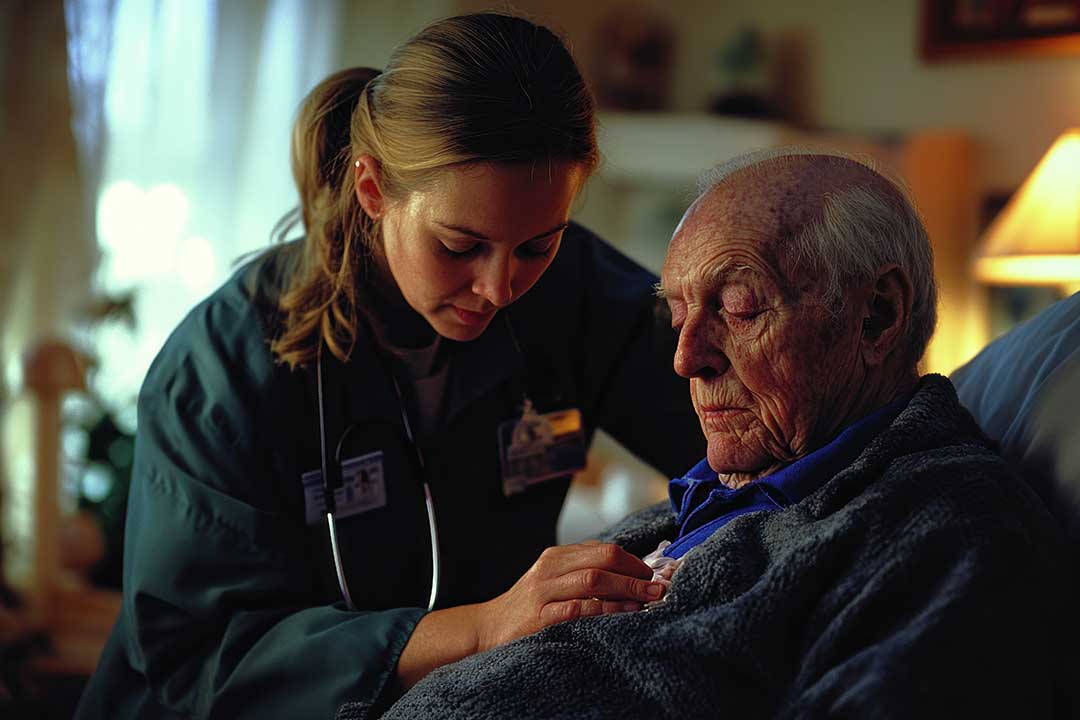
Small changes, such as removing loose rugs, improving lighting, or placing frequently used items within reach, may reduce risk. Major changes should be considered carefully, particularly for renters or people with limited funds.
Myth: Home health care automatically costs nothing
Coverage varies. Some skilled home health services may be covered when eligibility requirements are met, but coverage is not automatic for every service or situation. Nonmedical assistance, long-term personal care, supplies, transportation, and extended daily support may be handled differently.
Before care begins, households should ask for a plain-language explanation of:
- Which services are being ordered
- How often visits are expected
- What the payer covers
- What may require an out-of-pocket payment
- Whether coverage can change if the care plan changes
Financial questions are part of responsible planning, not an afterthought. Written information is useful because care arrangements can involve multiple services and changing needs.
Myth: Any change in condition can wait until the next visit
Home health care does not mean a person should wait for the next scheduled visit if something urgent happens. Sudden chest pain, severe breathing difficulty, signs of a stroke, uncontrolled bleeding, serious injury, or a major change in alertness may require emergency help.
Less urgent concerns—such as increased swelling, medication confusion, worsening pain, repeated falls, or reduced ability to eat and drink—should be reported through the care plan’s communication process.
Keeping medication lists, discharge instructions, emergency contacts, and care notes in one accessible location can help family members respond more consistently.
What should a household ask before home-based care begins?
A practical discussion should cover more than the start date. Ask:
- What is the main purpose of care?
- Which clinician ordered or oversees the plan?
- What services are included?
- How often will visits occur?
- Who should be contacted after hours?
- What warning signs require immediate action?
- What equipment or supplies are needed?
- How will progress or changing needs be reviewed?
Home health care is most effective when expectations are specific and shared. Understanding the difference between skilled care, daily assistance, family support, and emergency response helps households make safer decisions while keeping the person’s routine and dignity at the center.