

 See My Latest Article on HelloNation

What Is Home Health Care and Who Uses It?
Home health care offers a set of medical and personal care services delivered in the comfort of a person’s home. In Keene, NH, these services are commonly used by older adults, individuals recovering from surgery or illness, persons with disabilities, and those managing chronic conditions. For many local residents, home health care can be the difference between remaining at home and needing to move to an assisted living facility or nursing home.
In this region, demand for in-home support is shaped by unique factors—seasonal weather, rural drives to healthcare centers, and a strong local preference for independent living all play a role.
What Types of Medical Care Can Be Provided at Home?
Licensed professionals—such as registered nurses, physical therapists, and speech-language pathologists—can deliver a wide variety of skilled services at home. These include:
- Medication management: Nurses help organize, administer, and monitor medication dosages, which is particularly valuable for those with complex prescriptions.
- Wound care: Dressing changes and monitoring of surgical wounds, diabetic ulcers, or pressure sores.
- Physical therapy: Exercises and rehabilitation activities to regain strength, mobility, and balance after illness, surgery, or injury.
- Occupational therapy: Assistance with regaining skills for everyday activities, such as dressing or safely preparing meals following a stroke or injury.
- Monitoring of vital signs: Regular checks for blood pressure, heart rate, oxygen levels, and glucose can be performed at home, reducing the need for frequent clinic visits.
- Disease education and management: Nurses can teach patients and families how to manage chronic illnesses like heart failure, COPD, or diabetes.
Not all services are available to every client—what’s provided is based on a physician’s order and the patient’s medical need. Home health care is not emergency care and doesn’t replace full-scale hospital treatment.
What Types of Non-Medical Support Are Available?
In addition to skilled nursing, home health care agencies often coordinate non-medical support. These services are especially valuable for those who need extra help with daily activities or supervision due to aging or disability. Common offerings include:
- Help with bathing, dressing, and grooming
- Meal preparation and feeding support
- Light housekeeping, such as laundry or vacuuming
- Grocery shopping and running errands
- Accompaniment to medical appointments
Personal care aides, home health aides, and companions generally provide these types of assistance. In Keene, this practical help can be especially important during winter months when icy sidewalks or driving conditions can make venturing out more difficult.
Who Delivers Home Health Care Services?
A typical home health care team may include:
- Registered nurses (RNs)
- Licensed practical nurses (LPNs)
- Certified nursing assistants (CNAs)
- Home health aides
- Physical, occupational, or speech therapists
- Social workers to help with accessing community resources or benefits
Each member of the care team is trained for specific roles. Nurses and therapists focus on health recovery, while aides provide personal care and daily living assistance. For many local families, having a dedicated care team helps keep loved ones safer and more comfortable at home.
How Are Services Started and Coordinated?
Most medical home health services begin with a doctor’s referral. After an initial evaluation, a care plan is developed that outlines what services are needed and how often care providers will visit. This care plan is routinely updated based on changes in the patient’s health.
Coordination can involve communicating with doctors, pharmacies, family members, and—in some cases—social services. Effective collaboration reduces unnecessary hospital visits and improves overall quality of life.
What Does Home Health Care Not Cover?
There are limits to what home health care can provide. Common misconceptions include:
- 24-hour care: Standard home health visits are scheduled within certain hours; ongoing round-the-clock supervision usually requires a separate arrangement.
- Housekeeping beyond basic tasks: Deep cleaning, yardwork, and major home maintenance are outside the scope of typical home health services.
- Transportation: While aides may accompany clients to appointments, driving services are generally not offered as part of medical home health care.
- Medical treatments outside prescribed services: Home health staff cannot provide treatments not authorized in the care plan or act outside their professional scope.
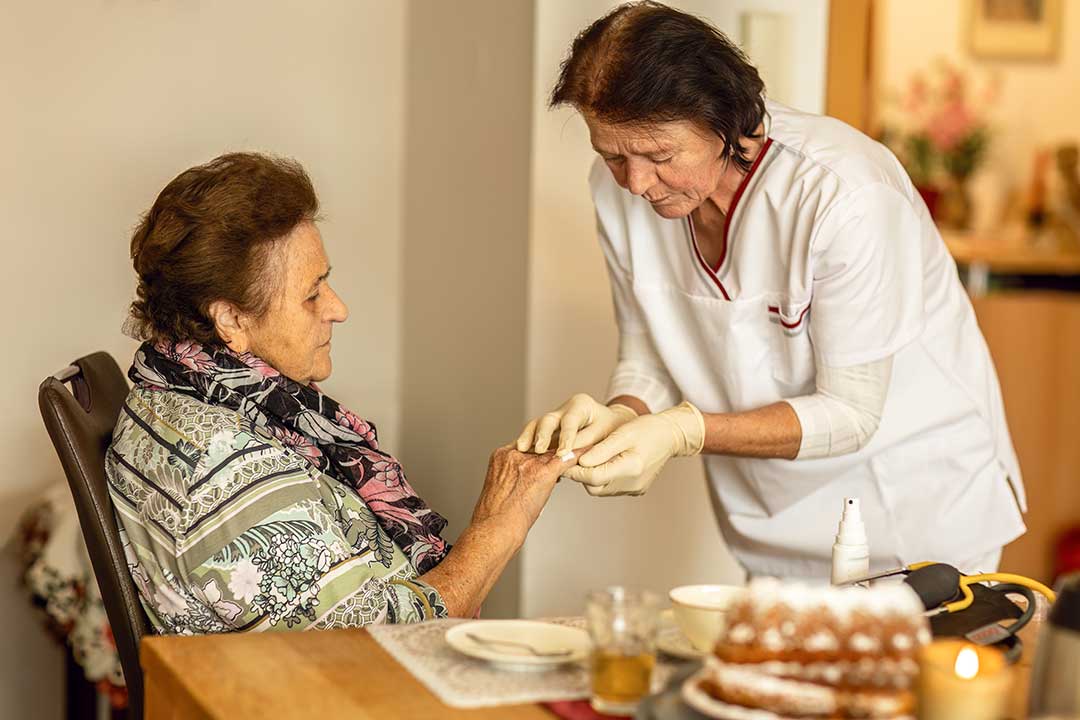
Understanding these boundaries can help local residents set realistic expectations when exploring home care options.
How Do Seasons and Geography Affect Home Health Care in the City?
In a region like Keene, where winter storms or icy roads can create barriers to travel, home health care agencies often develop contingency plans. This might mean:
- Adjusting scheduling during storms or severe weather, with priority for medically high-risk clients
- Preparing clients for supply needs if home visits are delayed (such as extra wound care materials)
- Close communication to ensure safety in homes during power outages or temperature extremes
- Navigating rural addresses or long driveways, which can affect provider arrival times during the snowy months
These unique challenges influence how home health care is delivered and highlight the importance of strong planning and clear communication between care teams and households.
What Are the Main Benefits for Local Residents?
Home health care offers several practical advantages for residents of Keene:
- Reduces the need for frequent, sometimes difficult travel to medical centers—especially helpful in winter or for those with limited mobility
- Supports recovery and independence at home, which many local households prefer for quality of life reasons
- Provides regular monitoring for chronic health issues, helping catch problems early and prevent unnecessary hospital admissions
It’s also a flexible model; care can be ramped up or down as needs change, making it easier for families to adapt over time.
How Are Services Paid For?
Many residents wonder about the financial side. Medical home health services prescribed by a doctor are often covered by Medicare, Medicaid, or private insurance when eligibility criteria are met. However:
- Non-medical or extended personal care may not always be covered and might require private payment.
- Each payer has different rules about what’s included or excluded, so it’s essential to review eligibility and coverage details carefully.
Local social workers and care coordinators are valuable resources for helping area families navigate these options and identify support programs.