

 See My Latest Article on HelloNation
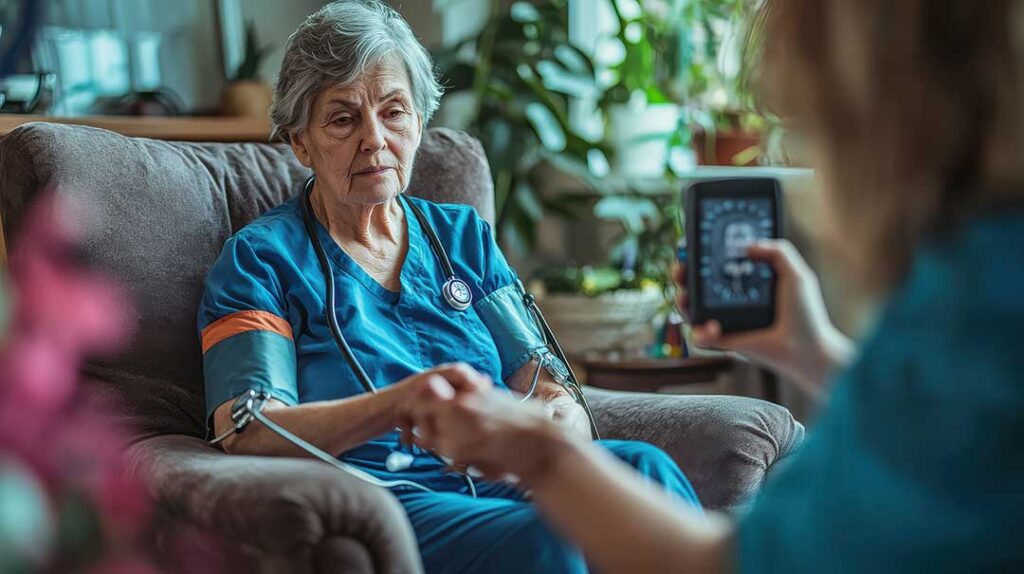
Falls are not an unavoidable part of aging. Many happen because several manageable risks come together: poor lighting, slippery surfaces, medication side effects, reduced strength, vision changes, or rushing to answer the phone or use the bathroom. A safer home combines practical changes to the living space with attention to balance, mobility, and overall health.
Which areas of the home deserve attention first?
The bathroom, stairs, bedroom, kitchen, and entryways usually deserve the closest look. These are places where people commonly turn, step over thresholds, carry objects, or move quickly while their balance may be less steady.
Walk through the home during the day and again after dark. Look for:
- Loose rugs, curled carpet edges, clutter, and electrical cords
- Poor lighting at stairs, hallways, entrances, and the path to the bathroom
- Furniture that narrows walking paths
- Frequently used items stored too high or too low
- Slippery floors, wet spots, and uneven thresholds
- Chairs or tables that are unstable when used for support
A useful test is whether an older adult can move from the bed to the bathroom and back without stepping over objects, reaching into darkness, or using furniture for balance.
How can lighting reduce fall risk?
Good lighting helps the eyes detect changes in floor height, obstacles, and wet areas. Add bright, easy-to-reach lights near beds, stairways, hallways, bathrooms, and exterior doors. Night-lights can help, but they should provide enough illumination to show the walking path rather than simply marking a room.
Keep a lamp, flashlight, or light switch within reach of the bed. A person who must cross a dark room to find the switch may be more likely to trip. Replace burned-out bulbs promptly, and consider higher-contrast light switches if they are difficult to see.
Stairways should have lighting at both the top and bottom. Handrails should extend along the full length of the stairs and be securely attached.
What changes make the bathroom safer?
Bathrooms combine water, hard surfaces, tight spaces, and frequent transfers from sitting to standing. These features make them a common location for falls.
Helpful changes include:
- Install securely mounted grab bars near the toilet and inside the shower or tub.
- Use a non-slip surface designed for wet areas.
- Keep soap, towels, and toiletries within easy reach.
- Consider a shower chair or handheld showerhead if standing is tiring or unsteady.
- Raise the toilet or use a stable support frame if sitting and standing are difficult.
- Wipe up water promptly and avoid relying on towel racks or sink edges for support.
A suction-cup grab bar should not be treated as a substitute for a properly installed grab bar. Any support used to bear weight needs to be attached securely to the wall structure.
How should stairs, floors, and furniture be arranged?
Clear walking routes are more useful than simply removing a few objects. Arrange furniture so there is enough room to turn without twisting around corners. Keep commonly used chairs stable and at a height that makes standing easier.
Remove small throw rugs or secure them with products made for that purpose. Avoid walking in socks on smooth floors. Well-fitting shoes with non-slip soles are generally safer than loose slippers, backless footwear, or shoes with worn tread.
If a cane, walker, or other mobility aid is used, keep it within reach before standing. The aid should be correctly adjusted and used consistently. Holding onto counters or furniture may feel convenient, but these surfaces can shift and do not provide dependable support.
How do winter conditions affect fall prevention in Keene, NH?
Snow, ice, slush, and wet entryways can create hazards both outside and inside the home. During winter, keep steps and walkways cleared and treated with an appropriate traction material. Pay attention to shaded areas, porch steps, driveway edges, and the transition from outdoors to indoors.
Place a sturdy mat inside the entrance and allow wet footwear to drain away from the walking path. Avoid carrying too many items while entering the house. A small basket near the door can make it easier to transport mail or groceries safely after removing wet shoes.
Cold weather may also reduce activity, which can gradually affect leg strength and balance. Safe indoor movement, such as prescribed exercises or walking through clear areas of the home, can help maintain mobility during periods when outdoor surfaces are hazardous.
Can medications, vision, or health conditions contribute to falls?
Yes. Some medications can cause drowsiness, dizziness, blurred vision, or a drop in blood pressure when standing. The risk may increase when several medicines are taken together or when a prescription has recently changed.
A medication review with a doctor or pharmacist can help identify possible contributors. Medicines should not be stopped or changed without medical guidance. It is useful to report symptoms such as light-headedness after standing, unusual sleepiness, or feeling unsteady after taking a dose.
Vision also plays a major role. Keep glasses clean and use the correct prescription for the activity. Regular eye examinations can identify changes such as cataracts or other conditions that make obstacles harder to see. Hearing problems may also affect awareness of approaching people, alarms, or household activity.
Health conditions involving the heart, nerves, joints, feet, or blood sugar can affect balance. Repeated falls, new weakness, fainting, numbness, or sudden changes in walking should be discussed promptly with a healthcare provider.
What exercises help prevent falls?
Exercises that improve leg strength, balance, and walking ability can reduce fall risk for many older adults. Examples may include chair-stand practice, heel-to-toe walking, gentle leg strengthening, and balance exercises performed near a stable counter.
Exercise should match the person’s ability. Begin with support nearby, avoid standing on unstable surfaces, and stop if there is chest pain, severe shortness of breath, faintness, or sudden pain. A clinician or physical therapist can help identify appropriate exercises when balance is already limited or a fall has occurred.
Regular movement is more helpful than occasional strenuous activity. Even short periods of safe activity throughout the day can support strength and confidence.
What should someone do after a fall?
Do not rush to stand. First, check for severe pain, bleeding, head injury, chest pain, trouble breathing, weakness, or inability to move a limb. If any of these are present, call emergency services. A person who may have injured the neck, back, or hip should remain as still as possible while waiting for help.
If there is no apparent serious injury, pause and assess how to rise safely. Rolling onto the side, moving to hands and knees, and using a stable piece of furniture may be safer than trying to stand immediately, but only if movement is comfortable and controlled.
A fall should be reported to a healthcare provider even when no injury is obvious. Falls can reveal a new medication problem, vision change, infection, blood-pressure issue, or loss of strength. Recording what happened—including time, location, footwear, lighting, symptoms, and what was being done—can help identify preventable patterns.
How can family members support safer independence?
Support should focus on making everyday tasks safer without unnecessarily taking away independence. Ask which activities feel difficult rather than assuming what help is needed. Keep emergency numbers accessible, arrange regular check-ins when appropriate, and make sure a phone or alert device can be reached from the floor.
A room-by-room safety review every few months is worthwhile because mobility, health, weather, and household routines change. In area homes, seasonal changes may require extra attention to entrances, heating equipment, indoor clutter, and winter footwear. Small adjustments made before a fall are usually easier than changes made after an injury.