
 See My Latest Article on HelloNation
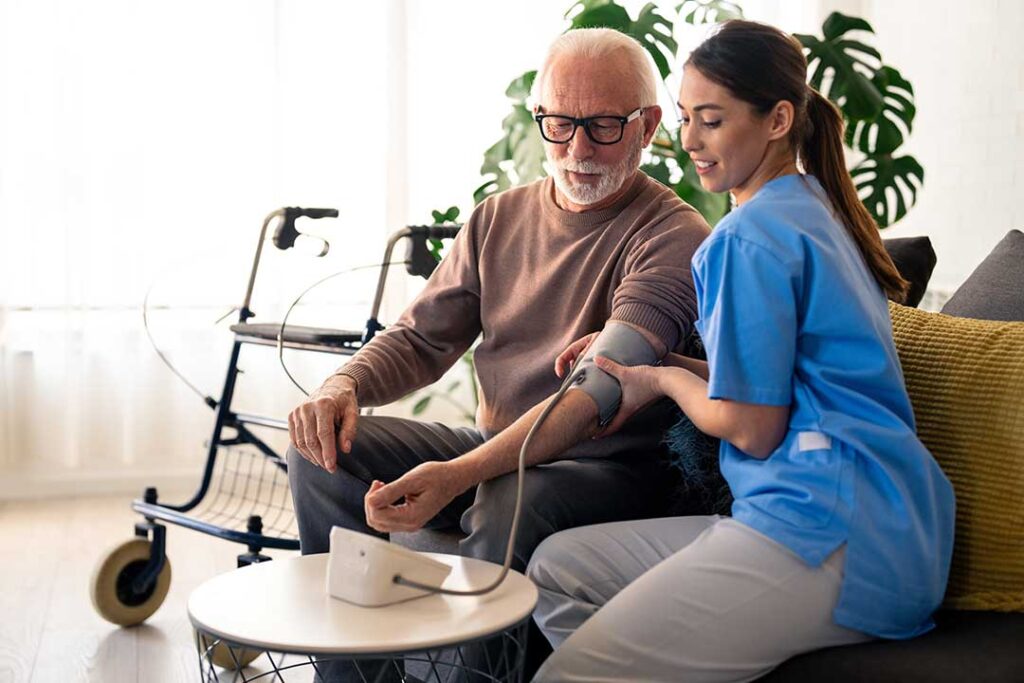
Home health nurses bring skilled medical care, assessment, education, and coordination into a person’s home. Their role is different from that of a personal care aide or companion: a home health nurse addresses clinical needs, watches for changes in health, and helps patients and caregivers follow a safe care plan.
For residents and families in Keene, NH, home health nursing may be part of recovery after hospitalization, treatment for a chronic condition, wound care, medication management, or support during a period of declining health.
What is a home health nurse?
A home health nurse is a licensed nurse who provides medically necessary care in a patient’s residence. The nurse may be a registered nurse or, depending on the service and care plan, a licensed practical nurse working under appropriate supervision.
Unlike a nurse in a hospital, a home health nurse usually visits the patient for scheduled, intermittent periods rather than providing around-the-clock care. The visit takes place in the actual environment where the patient lives, which allows the nurse to see practical issues that may not be visible in a clinical setting.
The nurse may evaluate:
- Vital signs and symptoms
- Medication use and side effects
- Wounds, surgical sites, or pressure injuries
- Blood sugar levels and diabetes management
- Breathing, swelling, pain, or mobility changes
- The patient’s ability to follow treatment instructions
- Safety concerns inside the home
What services does a home health nurse provide?
The exact duties depend on the diagnosis, physician or practitioner orders, and individualized plan of care. Common services include:
Skilled assessment
A nurse checks how the patient is progressing and looks for early signs of complications. This may involve monitoring blood pressure, pulse, temperature, oxygen levels, weight, pain, breathing, or other condition-specific measurements.
Assessment is more than collecting numbers. The nurse considers whether symptoms are improving, worsening, or changing in a way that requires follow-up.
Wound and skin care
Home health nurses may clean wounds, change dressings, evaluate healing, and teach caregivers how to protect the skin. This can be particularly useful after surgery or when a person has limited mobility.
The nurse may also watch for redness, warmth, drainage, odor, swelling, or increased pain, which can signal infection or another complication.
Medication education and management
A nurse may review prescriptions, explain when and how medicines should be taken, and identify possible duplication, missed doses, or side effects. The nurse may also teach a family caregiver how to organize medications safely.
Home health nursing does not automatically mean that a nurse will administer every medication indefinitely. The focus may instead be teaching, monitoring, and helping the patient become as independent as safely possible.
Injections, infusions, and other treatments
Some patients need injections, intravenous medications, tube feeding, catheter care, or other treatments that require nursing skill. The nurse follows the ordered treatment, observes the patient’s response, and reports concerns to the appropriate medical provider.
Chronic disease support
People living with diabetes, heart failure, chronic lung disease, or other ongoing conditions may need help recognizing changes before they become emergencies. A nurse can reinforce daily monitoring, diet or fluid instructions, symptom reporting, and follow-up plans.
How does a home health nurse help family caregivers?
Family members often provide much of the day-to-day support, but they may not know whether a symptom is expected or concerning. A home health nurse can demonstrate care techniques, answer practical questions, and explain what should be reported.
Teaching may include:
- How to change a dressing
- How to check blood sugar
- How to assist with prescribed exercises
- How to reduce fall risks
- How to recognize dehydration or infection
- When to call the medical office
- When symptoms require emergency help
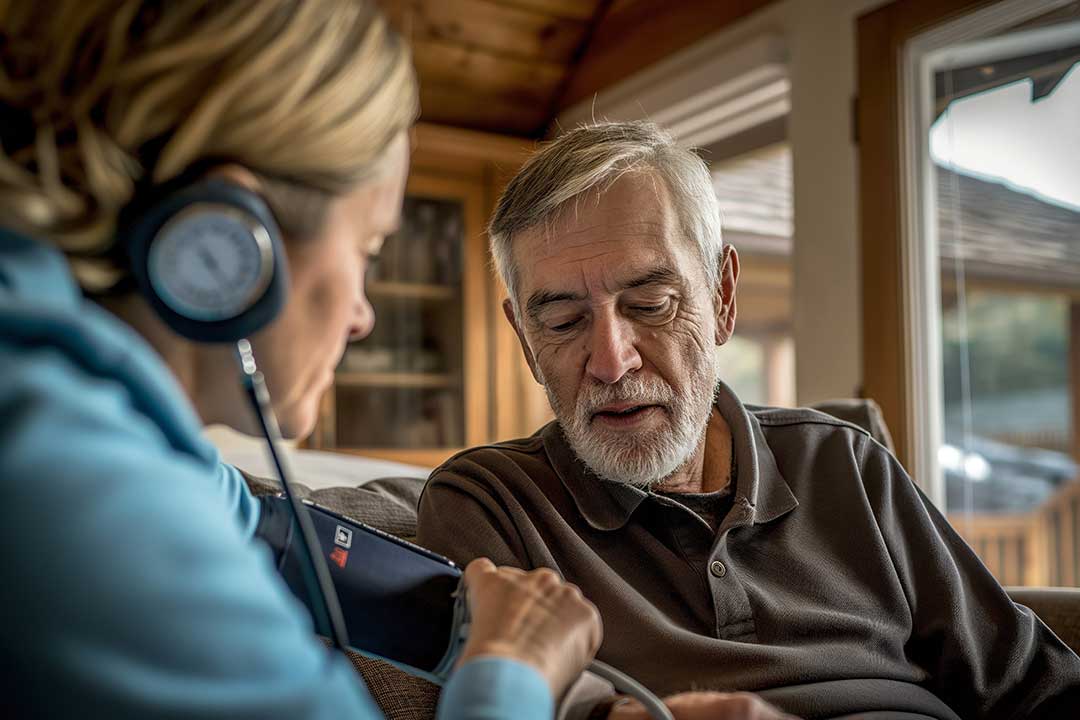
A nurse may also identify when a caregiver is attempting a task that is unsafe, too physically demanding, or outside the caregiver’s training.
What happens during a typical visit?
A visit commonly begins with a review of how the patient has been feeling since the last visit. The nurse may ask about pain, appetite, sleep, breathing, bowel or bladder changes, falls, medication concerns, and new symptoms.
The nurse then performs the clinical tasks required by the care plan. Depending on the patient’s needs, this could include a physical assessment, wound care, medication teaching, disease-management education, or communication with another member of the care team.
The visit usually ends with a plan for what the patient or caregiver should do next. The nurse may document findings and report significant changes to the ordering practitioner or other members of the care team.
Is home health nursing the same as home care?
No. Home health nursing is medical and clinical. Home care, sometimes called personal care or homemaker support, generally helps with daily activities such as bathing, dressing, meal preparation, light housekeeping, or supervision.
Some patients receive both types of support, but the services have different purposes. A home health nurse is not a replacement for continuous caregiving, housekeeping, transportation, or emergency response.
Home health also differs from hospice, outpatient nursing, and private-duty nursing. The appropriate type of care depends on the patient’s medical condition, goals, level of independence, and expected duration of need.
Who may qualify for home health nursing?
Eligibility depends on the payer and the patient’s situation. Under Medicare, home health generally requires a provider’s order, a documented need for intermittent skilled care or qualifying therapy, a plan of care, and a face-to-face evaluation related to the condition being treated. The person must also meet Medicare’s definition of being homebound.
Being homebound does not always mean a person can never leave the house. It generally means leaving requires considerable effort or assistance, or that outings are infrequent and primarily related to medical care or essential needs.
Coverage rules differ among Medicare, Medicaid, private insurance, and self-pay arrangements. A service may be clinically appropriate but not covered under a particular benefit.
How can local conditions affect home visits?
In Keene, winter snow, ice, short daylight hours, and changing road conditions can affect travel to medical appointments and make household safety more complicated. A home health nurse may pay close attention to entrances, walkways, heating, lighting, footwear, and the patient’s ability to move safely between rooms.
Older homes, stairs, narrow hallways, uneven flooring, and limited bathroom space can also affect how care is delivered. The nurse may suggest practical changes, such as improving lighting, moving frequently used items, reducing trip hazards, or keeping necessary supplies within easy reach.
These observations are not a home inspection. They are part of understanding whether the patient can safely carry out the care plan in the setting where daily life actually occurs.
When should a patient or caregiver seek urgent help?
A home health nurse can report changes and help guide routine follow-up, but urgent symptoms should not wait for the next scheduled visit. Emergency help may be needed for severe trouble breathing, new chest pain, sudden weakness, major bleeding, loss of consciousness, or signs of a serious allergic reaction.
For less urgent but concerning changes—such as increasing swelling, fever, worsening wound drainage, repeated falls, confusion, or difficulty taking prescribed medication—the patient or caregiver should follow the care plan’s instructions for contacting the medical team.
The most effective home health nursing visits combine clinical skill with practical teaching. The goal is not simply to perform a task, but to help the patient remain as safe, informed, and independent as possible while receiving care at home.